Publications
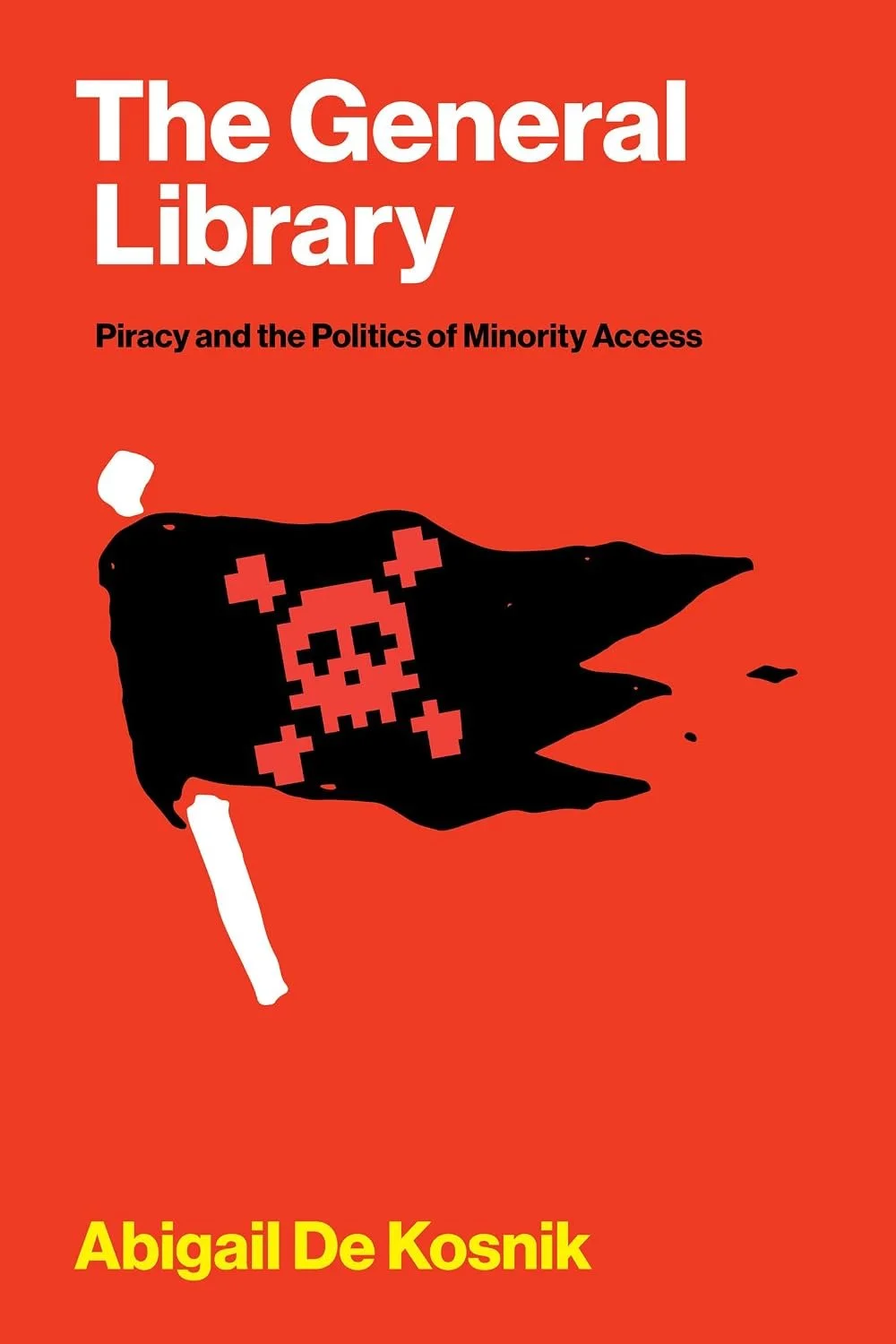
The General Library: Piracy and the Politics of Minority Access
by Abigail De Kosnik
A bold argument for piracy as a system of knowledge sharing, cultural preservation, and political resistance.
What if copying and sharing media, acts frequently labeled as “piracy,” were understood as part of a vast cultural infrastructure that sustains knowledge? The General Library dismantles the myth that piracy is theft, demonstrating how unauthorized modes of distribution and access can act as techniques for cultural preservation, political expression, and everyday resistance. Rather than reinforcing the industry narrative that piracy drains resources, Abigail De Kosnik argues that unauthorized access provides essential pathways to learning, belonging, and survival—particularly for marginalized communities often excluded from official channels.
Drawing on in-depth oral history interviews with media users who identify as fans, pirates, and intensive consumers, De Kosnik traces how Black, brown, queer, disabled, and poor communities use illicit access to explore identity, build communities of care, and imagine futures otherwise rendered inaccessible by techno-capitalism. She also examines how definitions of piracy are shifting with the rise of AI, as corporations scrape copyrighted works to train LLMs—an example of illicit copying on a massive scale that dwarfs any act of appropriation committed by individual consumers.
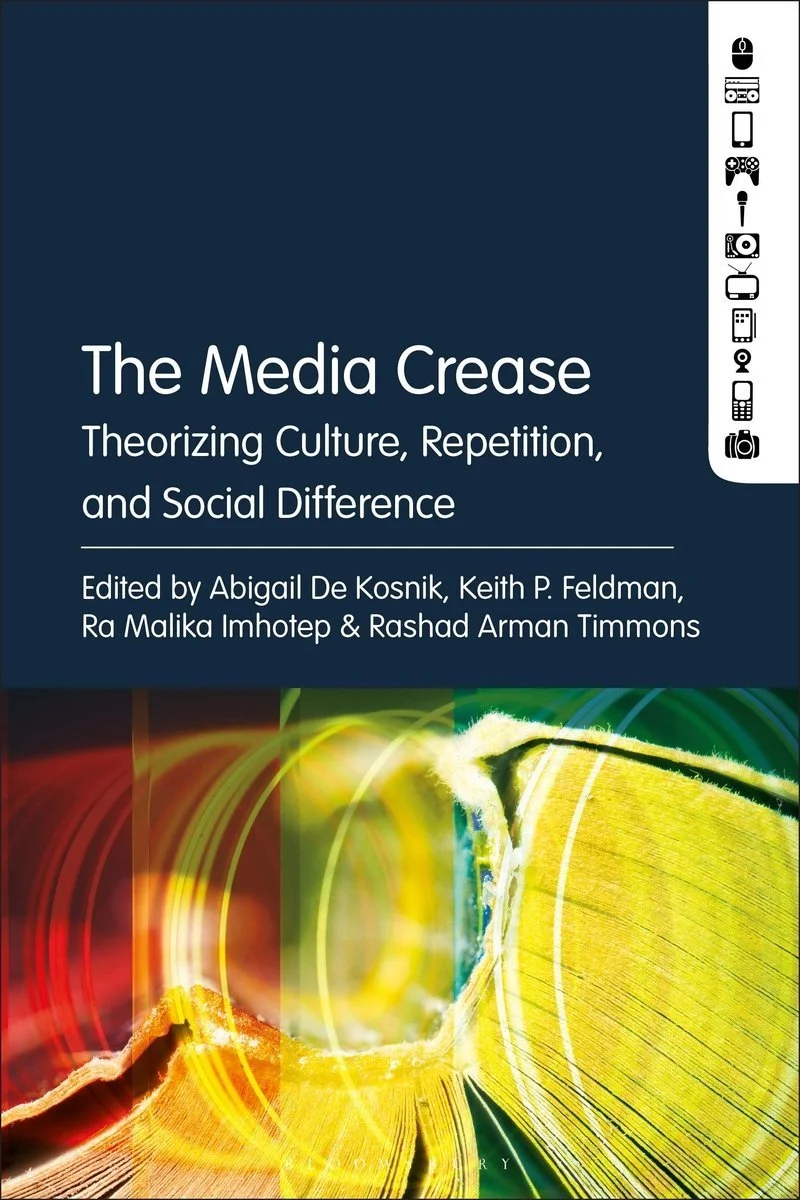
The Media Crease: Theorizing Culture, Repetition, and Social Difference
Edited by Abigail De Kosnik, Keith Feldman, Ra Malika Imhotep, and Rashad Arman Timmons
The Media Crease: Theorizing Culture, Repetition, and Social Difference brings together scholars from The Color of New Media working group at UC Berkeley to examine how patterns of repetition shape media, culture, technology, and social difference.
Building on Abigail De Kosnik's concept of the "media crease"-the traces of return, re-use, and re-engagement with media-contributors explore how new media and technology can entrench colonialism, racism, capitalism, and misogynoir, while also generating disruptive possibilities for resistance, creativity, and collective world-making. Essays analyze cultural and technological phenomena across diverse geographies, from Indigenous ceremony to AI, digital activism to hip-hop, archives to embodied performance. In doing so, the collection demonstrates how culture is made and remade through mediated repetition, and how communities marked by race, gender, sexuality, and diaspora leverage new media and technology to both endure oppressive structures and imagine alternative futures.
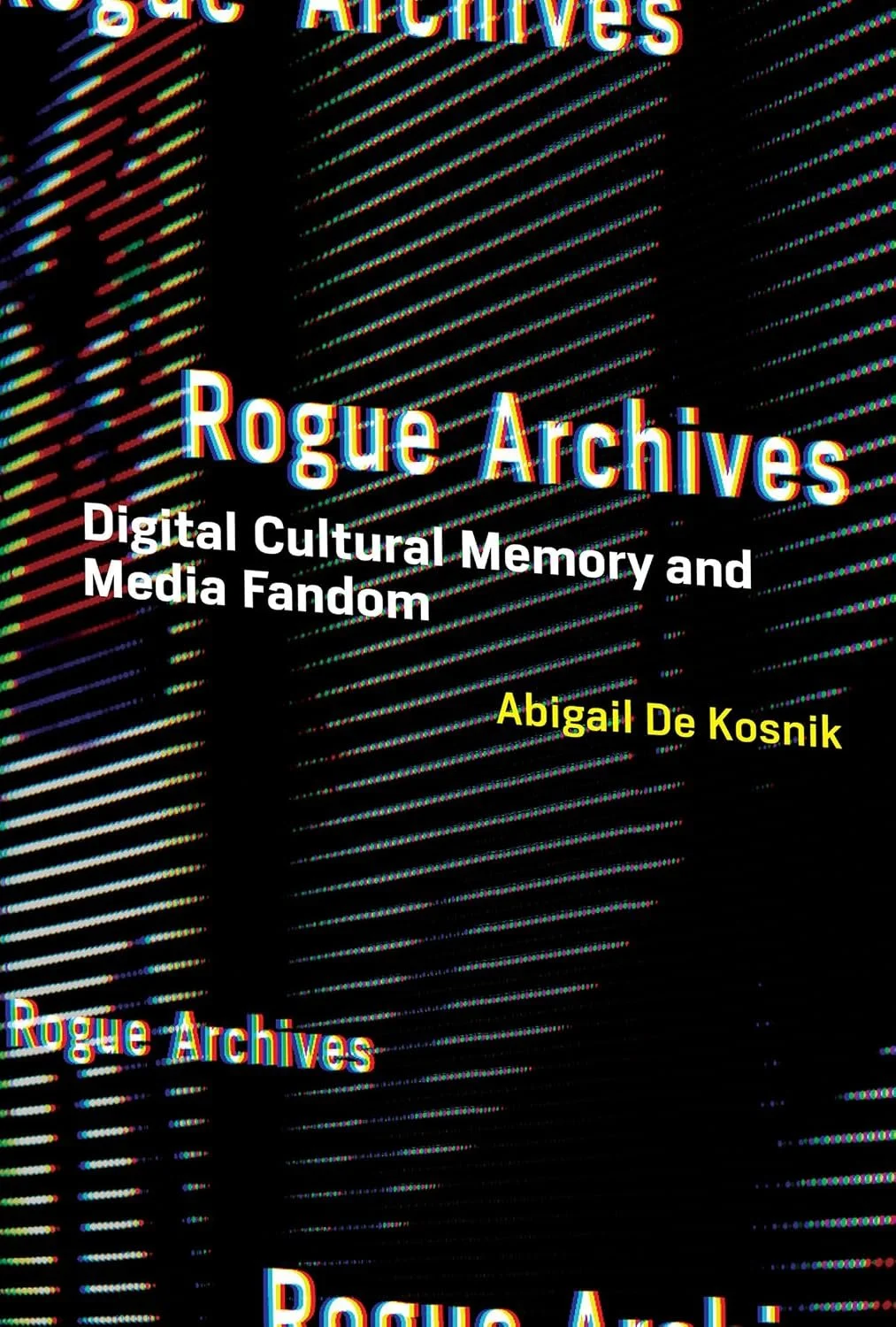
Rogue Archives: Digital Cultural Memory and Media Fandom
by Abigail De Kosnik
An examination of how nonprofessional archivists, especially media fans, practice cultural preservation on the Internet and how "digital cultural memory" differs radically from print-era archiving.
The task of archiving was once entrusted only to museums, libraries, and other institutions that acted as repositories of culture in material form. But with the rise of digital networked media, a multitude of self-designated archivists--fans, pirates, hackers--have become practitioners of cultural preservation on the Internet. These nonprofessional archivists have democratized cultural memory, building freely accessible online archives of whatever content they consider suitable for digital preservation. In Rogue Archives, Abigail De Kosnik examines the practice of archiving in the transition from print to digital media, looking in particular at Internet fan fiction archives.
De Kosnik explains that media users today regard all of mass culture as an archive, from which they can redeploy content for their own creations. Hence, "remix culture" and fan fiction are core genres of digital cultural production. De Kosnik explores, among other things, the anticanonical archiving styles of Internet preservationists; the volunteer labor of online archiving; how fan archives serve women and queer users as cultural resources; archivists' efforts to attract racially and sexually diverse content; and how digital archives adhere to the logics of performance more than the logics of print. She also considers the similarities and differences among free culture, free software, and fan communities, and uses digital humanities tools to quantify and visualize the size, user base, and rate of growth of several online fan archives.
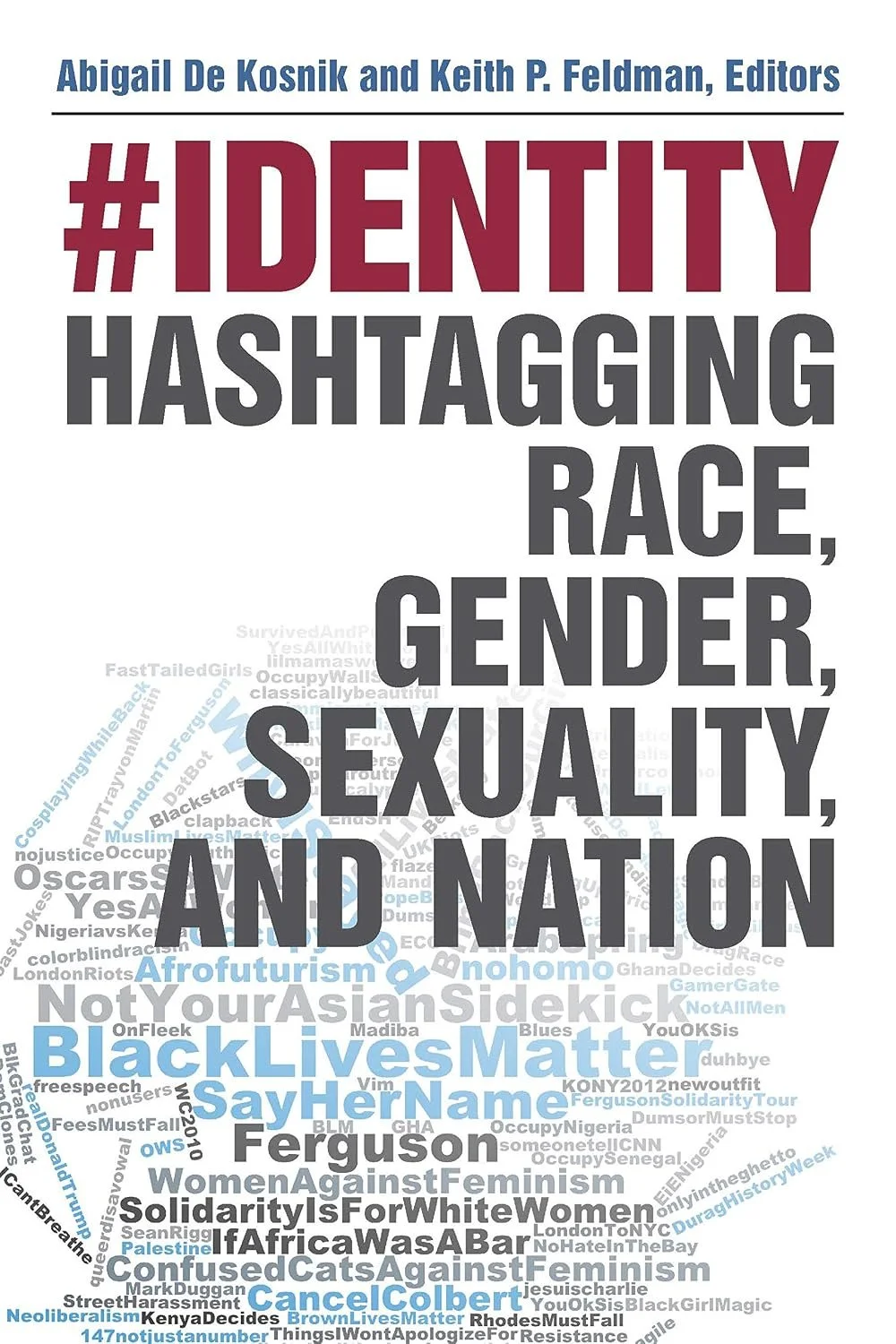
#identity: Hashtagging Race, Gender, Sexuality, and Nation
Edited by Abigail De Kosnik and Keith Feldman
Since its launch in 2006, Twitter has served as a major platform for political performance, social justice activism, and large-scale public debates over race, ethnicity, gender, sexuality, and nationality. It has empowered minoritarian groups to organize protests, articulate often-underrepresented perspectives, and form community. It has also spread hashtags that have been used to bully and silence women, people of color, and LGBTQ people.
#identity is among the first scholarly books to address the positive and negative effects of Twitter on our contemporary world. Hailing from diverse scholarly fields, all contributors are affiliated with The Color of New Media, a scholarly collective based at the University of California, Berkeley. The Color of New Media explores the intersections of new media studies, critical race theory, gender and women’s studies, and postcolonial studies. The essays in #identity consider topics such as the social justice movements organized through #BlackLivesMatter, #Ferguson, and #SayHerName; the controversies around #WhyIStayed and #CancelColbert; Twitter use in India and Africa; the integration of hashtags such as #nohomo and #onfleek that have become part of everyday online vernacular; and other ways in which Twitter has been used by, for, and against women, people of color, LGBTQ, and Global South communities. Collectively, the essays in this volume offer a critically interdisciplinary view of how and why social media has been at the heart of US and global political discourse for over a decade.
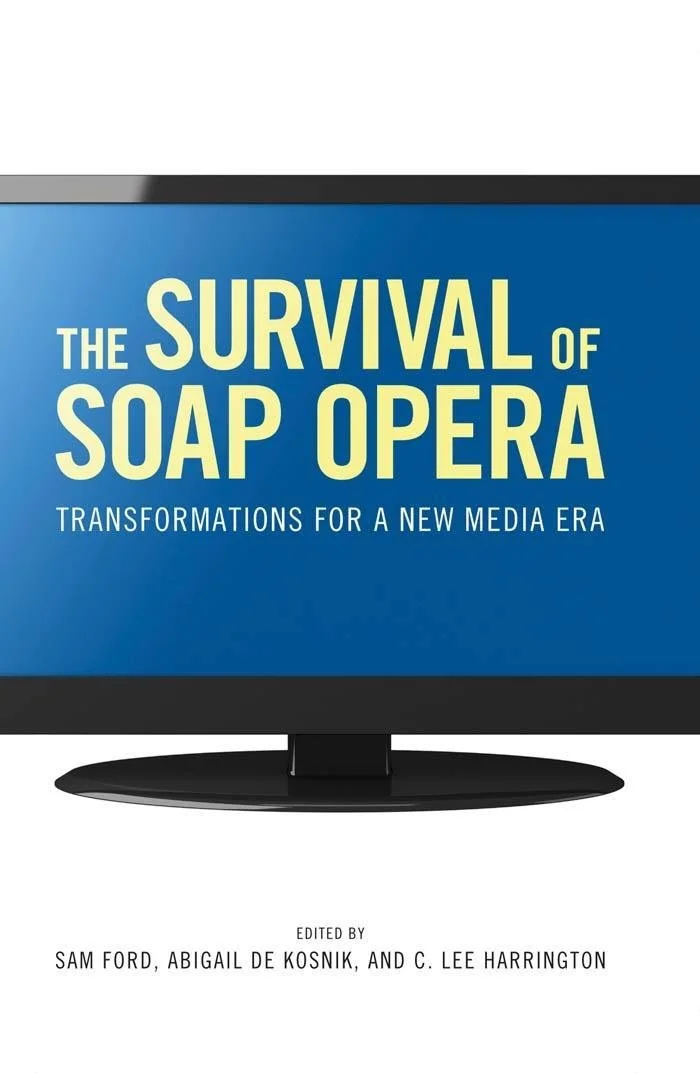
The Survival of Soap Opera: Transformations for a New Media Era
Edited by Sam Ford, Abigail De Kosnik, and C Lee Harrington
The soap opera, one of U.S. television's longest-running and most influential formats, is on the brink. Declining ratings have been attributed to an increasing number of women working outside the home and to an intensifying competition for viewers' attention from cable and the Internet. Yet, soaps' influence has expanded, with serial narratives becoming commonplace on most prime time TV programs. The Survival of Soap Opera investigates the causes of their dwindling popularity, describes their impact on TV and new media culture, and gleans lessons from their complex history for twenty-first-century media industries.
The book contains contributions from established soap scholars such as Robert C. Allen, Louise Spence, Nancy Baym, and Horace Newcomb, along with essays and interviews by emerging scholars, fans and Web site moderators, and soap opera producers, writers, and actors from ABC's General Hospital, CBS's The Young and the Restless and The Bold and the Beautiful, and other shows. This diverse group of voices seeks to intervene in the discussion about the fate of soap operas at a critical juncture, and speaks to longtime soap viewers, television studies scholars, and media professionals alike.